
What You Need to Know
In the past week, U.S. forces and Iranian affiliates have engaged in a series of military exchanges, undermining a Memorandum of Understanding (MoU) established on June 17. This agreement aimed to reduce hostilities and navigate a path toward diplomatic solutions. Despite ongoing talks, the situation remains tense, with both sides unwilling to back down completely amid fears of broader conflict in West Asia. !
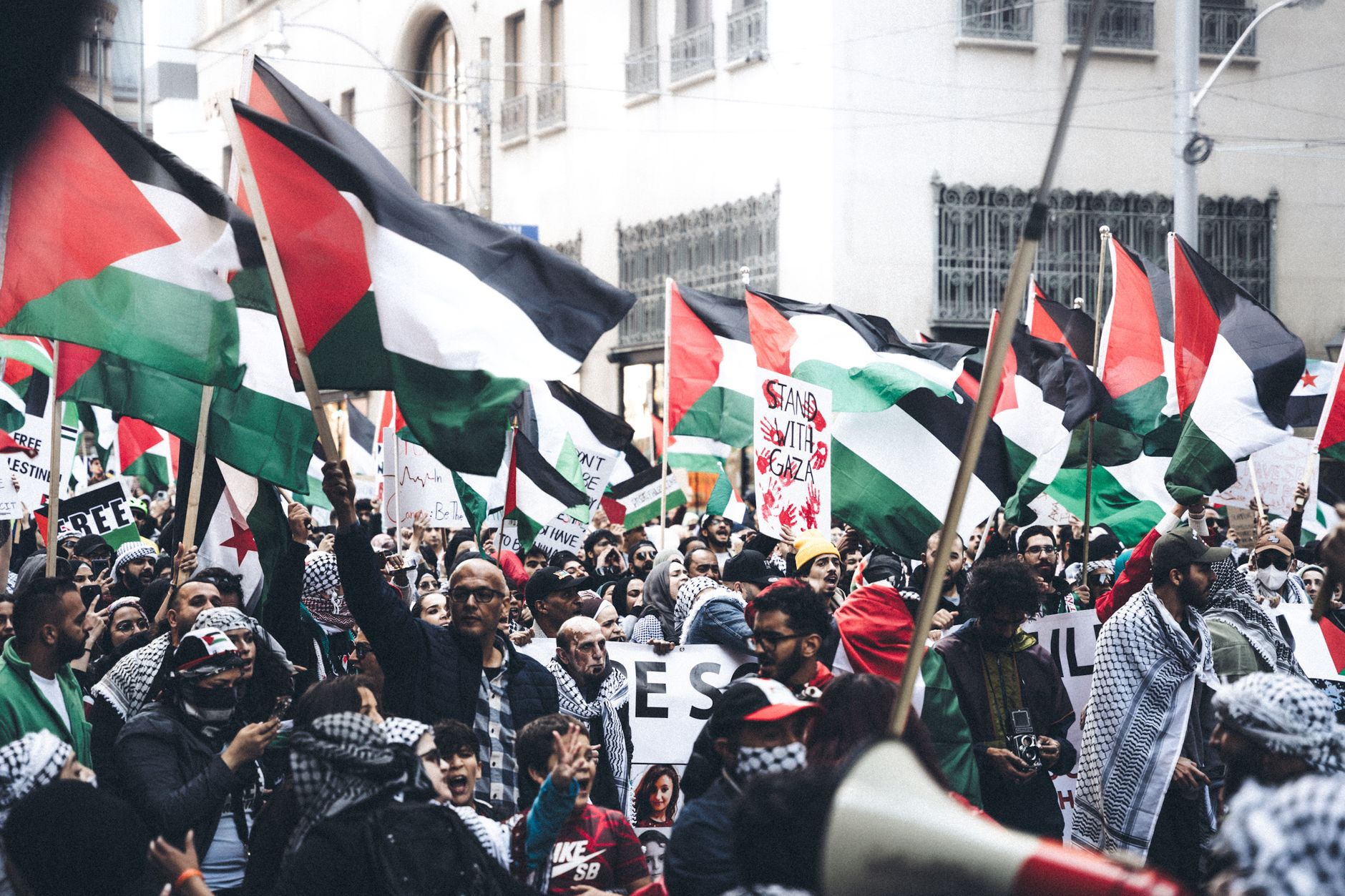
The fragile peace established by the MoU is increasingly at risk, with airstrikes and retaliatory actions escalating. The U.S. has emphasized its commitment to safeguarding its interests and allies in the region, while Iran maintains its stance on defending its sovereignty and regional influence. The backdrop of ongoing regional power struggles further complicates these developments, signaling that the road to stability remains fraught with obstacles.
The Full Story
Tensions between the United States and Iran have deep roots, historically marked by geopolitical rivalries and proxy conflicts across the region. The recent MoU was seen as a crucial attempt to quell rising hostilities, with both nations agreeing to avoid direct military confrontation. However, the reality on the ground has been starkly different, with repeated military strikes showcasing the volatility of the situation. In recent months, various incidents—such as attacks on oil tankers and military installations—have increased hostilities, leading to a cycle of retaliation that undermines diplomatic efforts. The U.S. appears determined to counter Iran’s influence, which has gained traction through its alliances with militant groups in Iraq, Syria, and Lebanon. This ongoing struggle for dominance further complicates the possibility of lasting peace in the region.
What Changes Now?
The current state of affairs indicates a precarious balance between confrontation and dialogue. While both the U.S. and Iran claim to be pursuing diplomatic solutions, underlying tensions suggest that any resolution will require significant compromise and trust-building measures. The potential for an escalation remains high, given the contentious history and ongoing military posturing.
- The first major shift is the likelihood of intensified U.S. military presence in the region. Given the recent clashes, the U.S. may reinforce its forces to deter further Iranian aggression, which could lead to a more militarized atmosphere.
- Another significant change is the potential recalibration of Iran’s regional strategy. As it faces increased pressure from U.S. actions, Iran may seek to enhance its partnerships with allied groups, increasing the complexity of the conflict landscape.
- Lastly, this situation may catalyze a renewed focus on multilateral diplomacy involving regional stakeholders. The need for a comprehensive approach to address the root causes of conflict may gain traction, pushing for more robust international mediation efforts.
!

Final Word
The recent exchanges between U.S. and Iranian forces are a stark reminder of the fragile nature of peace in West Asia. As both nations grapple with their respective geopolitical ambitions, the risk of escalation grows daily. It is vital for the international community to remain engaged, fostering dialogue and supporting efforts to stabilize the region amid shifting alliances and ongoing hostilities. Only through sustained diplomatic efforts and a commitment to mutual understanding can the cycle of violence be broken. The stakes are high not only for the U.S. and Iran but for the broader stability of a region that has faced decades of turmoil. As the world watches closely, the question remains: are both sides willing to choose peace over confrontation?
📰 Source: Read original article | Editorially rewritten and analysed by BuzzWeave.
Related posts:
 Pneumonia: Unmasking the Silent Symptoms You Can’t Ignore
 UK Shatters June Temperature Records: A Heatwave’s Impact
 From Cancer Scare to Parasitic Discovery: A Medical Mystery
 Delhi’s Footpaths: A Dangerous Obstacle Course for Pedestrians
 AIDSO Raises Concerns Over STEAM Initiative’s Ties to National Education Policy
 Israel Expands Influence with Somaliland’s Leader Visit