
The Big Picture
The World Cup 2026 represents a watershed moment in football, as it expands from 32 to 48 teams for the first time. This change not only enhances inclusivity but also increases the stakes, allowing more nations to showcase their talent on the biggest stage. The tournament has been imbued with a spirit of competition that reflects the evolving landscape of international football, where traditional giants must contend with emerging powers. The dynamics of global football have shifted over the past decade, with nations like Morocco and South Africa proving that they can hold their own against established teams. The group stage has been filled with surprises, with teams like Cape Verde earning their place among football’s elite through hard-fought matches. Such developments are crucial as they challenge the status quo and inspire future generations of players around the world. As the knockouts approach, the excitement intensifies. Matches scheduled from June 28 to July 3 will reveal which teams can adapt under pressure and capitalize on the high stakes of knockout football. In this environment, every goal and every save can lead to a national celebration or heartbreak, emphasizing the profound connection between football and cultural identity.
Breaking It Down
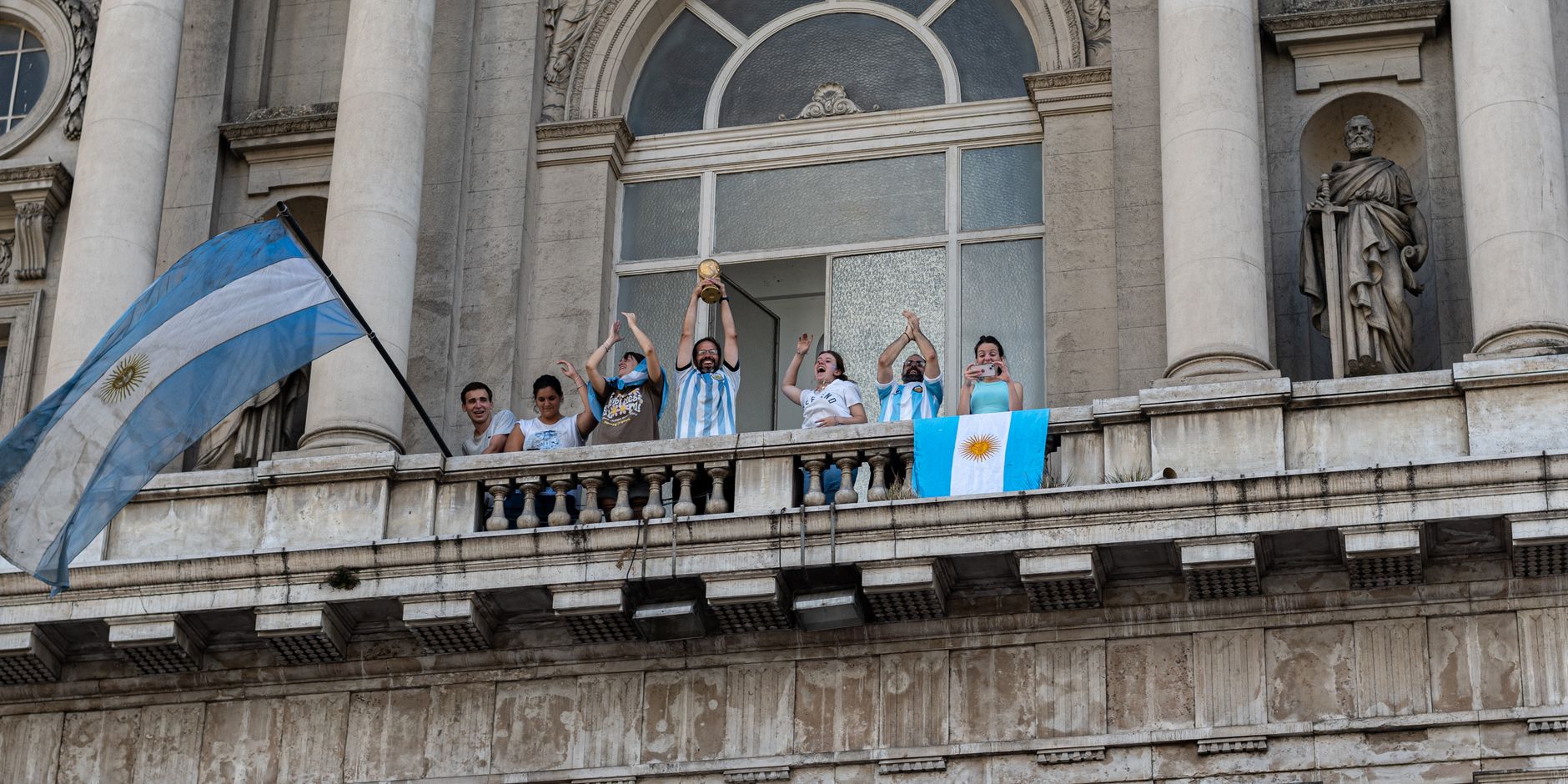
Currently, 26 teams have qualified for the knockout stage, with notable entrants including footballing giants like Brazil, Argentina, and France. Each of these nations carries the weight of expectations, having historical legacies that shape their identities in the tournament. The draw for the knockout phase will determine matchups, with critical implications for both seeding and morale. The introduction of the round of 32 is a significant structural change, aimed at enhancing the tournament’s excitement and competitiveness. The format allows the top two teams from each of the 12 groups and the eight best third-placed teams to advance. This comprehensive approach not only rewards consistent performance but also allows for dramatic upsets that can alter the trajectory of the competition. The matches will take place in various iconic venues, from the futuristic Los Angeles Stadium to the historic Estadio Monterrey in Mexico. Each game holds the potential for incredible narratives—whether it’s a seasoned powerhouse clashing with a spirited underdog or a team overcoming adversity to secure a place in the next round. The anticipation is palpable as fans gear up for what promises to be an unforgettable knockout stage.
Who Is Affected?
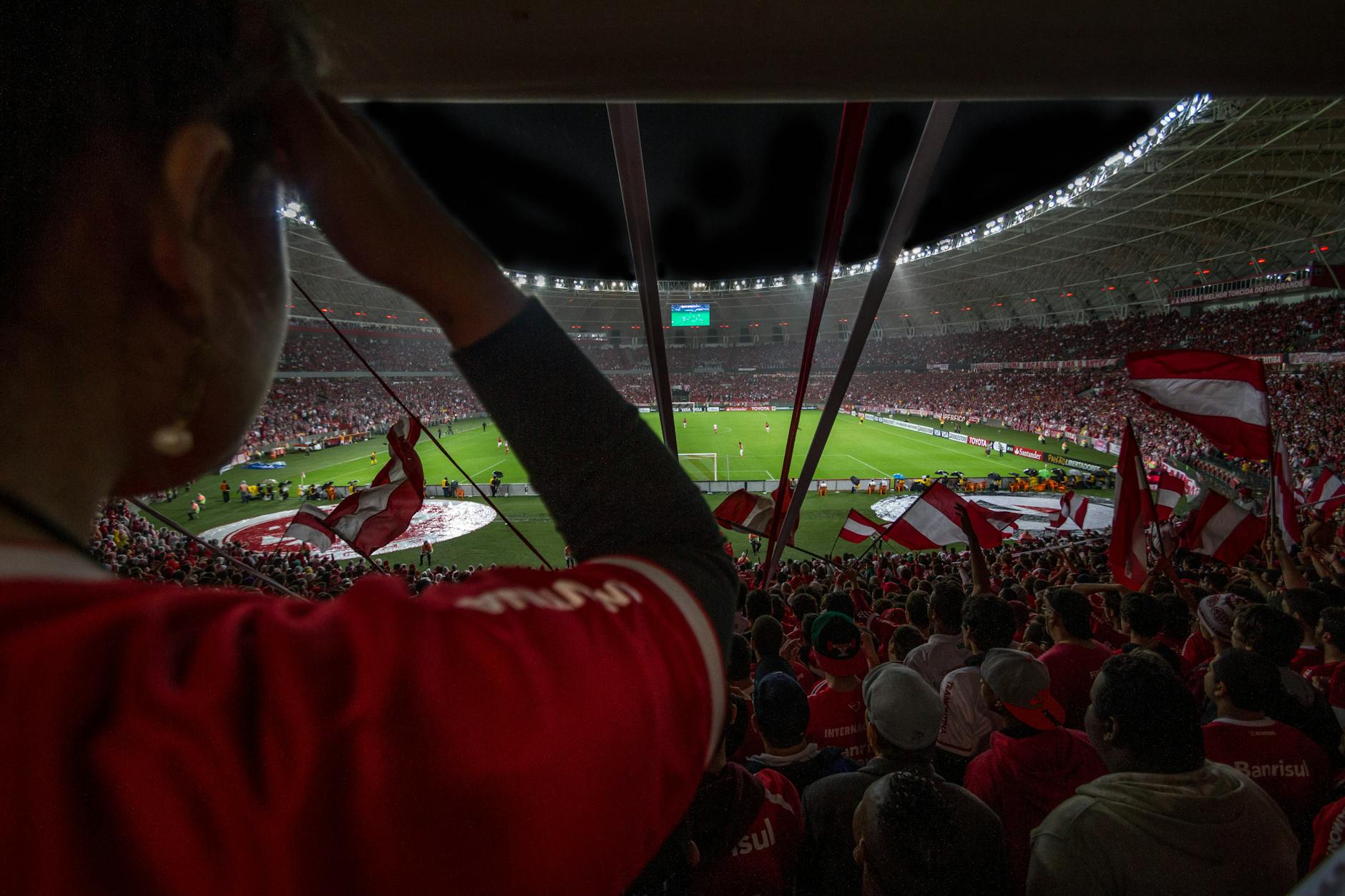
The implications of this World Cup extend beyond the pitch, influencing communities, economies, and individual lives both locally and globally. Fans from participating nations experience a unique sense of pride and belonging, while local economies benefit from the influx of tourism and international attention. Additionally, players are under immense pressure to perform, as their careers—and the dreams of their nations—hang in the balance.
- Fans: Supporters contribute not only their passion but also their resources, making travel plans and organizing viewing events. Their engagement can significantly amplify local economies, especially in host cities that see a surge of visitors during the tournament.
- Players: Athletes face heightened expectations as they represent their countries on a global stage. The stress of performing in high-stakes matches can be immense, impacting their mental health and professional trajectories.
- Local Businesses: Restaurants, hotels, and retail shops in host cities benefit from the increased foot traffic and media attention surrounding the tournament. This dynamic can provide a much-needed financial boost, especially in the aftermath of economic downturns.
Our Take
As we enter the round of 32, the prospects for both established footballing nations and first-time participants look brighter than ever. The current landscape reflects a shift toward diversity and unpredictability, with each match capable of producing surprises that will become part of World Cup lore. The pressure mounts, and teams must balance ambition with strategy to navigate this critical juncture successfully. What we must watch for in the coming days is how teams adapt under knockout conditions, as tactics shift from group stage caution to aggressive play. The knockout rounds will test the resilience and skill of every participant, with only the best able to advance. As fans, we can anticipate not just football but narratives of triumph, heartbreak, and national pride. In conclusion, the World Cup serves as more than just a tournament; it is a cultural phenomenon that unites nations and showcases the best of global football. The excitement surrounding the round of 32 is just the beginning of what promises to be an exhilarating journey through the knockout stages. Let the games begin!
📰 Source: Read original article | Editorially rewritten and analysed by BuzzWeave.