
The Big Picture
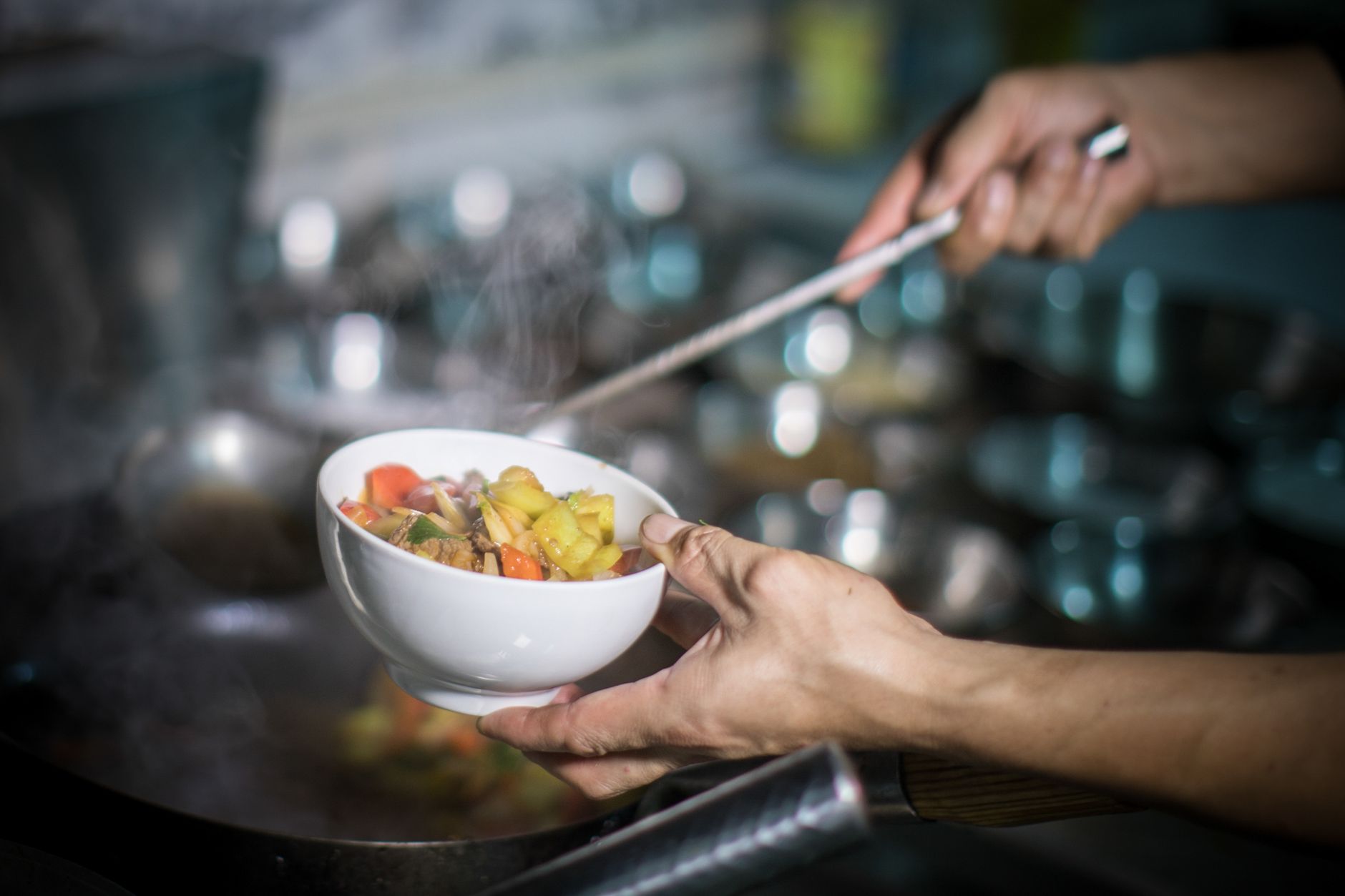
Myanmar, once known for its vibrant culture and culinary diversity, now finds itself at a crossroads amidst political upheaval and humanitarian crises. Since the military coup in February 2021, the country has seen a mass exodus of its citizens, driven by a desperate need for safety and stability. Among these refugees are talented chefs, who have turned their forced displacement into an opportunity to shine a light on the culinary traditions of their homeland. This sudden migration has inadvertently opened up avenues for Burmese food to gain visibility on the international stage. With more people fleeing the oppressive regime, many chefs have found themselves in countries like Thailand, the United States, and the UK, where they have begun to introduce a wider audience to dishes like mohinga and laphet thoke. This culinary exchange not only enriches the local food scenes but also fosters a deeper understanding of Myanmar’s rich heritage. The resilience of these chefs speaks volumes about their cultural identity and desire to share the flavors of Myanmar with the world. As they set up restaurants and pop-ups, they weave stories of their homeland into their dishes, fostering connections that transcend borders and politics. It is in these kitchens that the heart of Myanmar’s culture beats stronger than ever.
Breaking It Down
The journey of these exiled chefs began in the chaotic aftermath of the military takeover. Many faced harrowing decisions—whether to stay and fight for their country or leave behind everything they knew for a chance at freedom. In this search for safety, they carried with them not just memories but also the recipes that define their culinary heritage. As they settled into new cities, their talent caught the attention of food enthusiasts eager for the unique flavors of Myanmar. In late 2021, chef Nanda, who established a pop-up in New York City, introduced dishes that had never been tasted outside Myanmar. By early 2023, his humble venture had transitioned into a full-fledged restaurant, attracting not only Burmese expatriates but also curious locals eager to experience authentic flavors. The broader trend has been remarkable. From Los Angeles to London, Burmese food has begun to carve out its niche, thanks to the efforts of chefs who are sharing not only food but also the history of their struggles and the resilience of their people. This culinary movement signals a growing awareness of Myanmar’s plight while simultaneously celebrating its rich culture.
Who Is Affected?
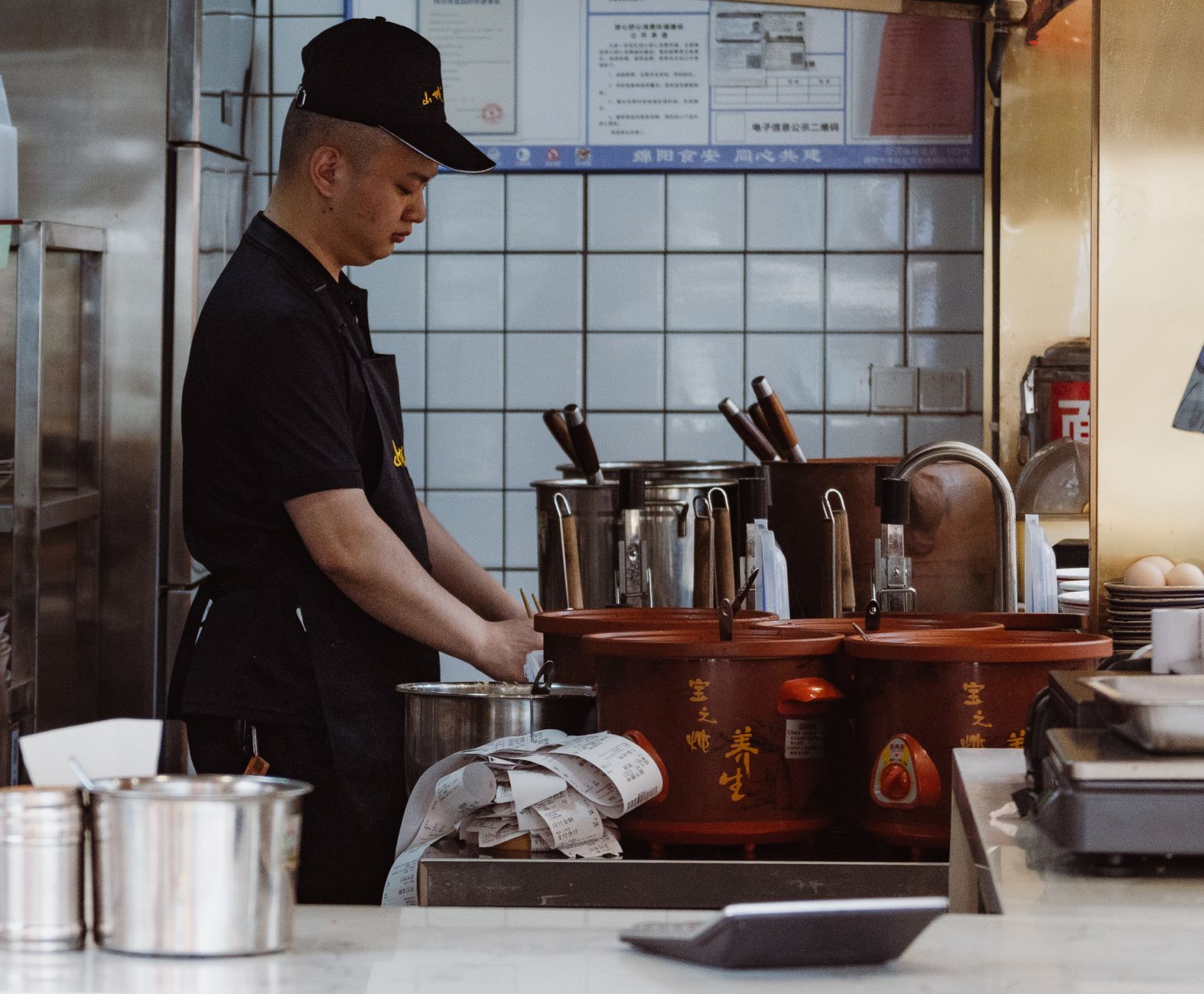
The impact of this culinary wave extends far beyond the restaurant kitchens. It influences communities, fosters cultural appreciation, and offers new opportunities for exiled chefs. As these chefs navigate their new lives in foreign lands, they also confront the challenge of keeping their culinary traditions alive.
- Exiled Chefs: These individuals find a renewed sense of purpose as they share their heritage through food, allowing them to connect with their roots while adapting to new environments. Their resilience and creativity redefine their roles as cultural ambassadors, enriching local culinary landscapes.
- Burmese Communities: For Burmese expatriates, these restaurants serve as vital cultural hubs where they can experience familiar flavors and traditions, fostering a sense of belonging and community in foreign lands. They offer solace and comfort, reminding them of home during uncertain times.
- Food Enthusiasts: Diners who are curious about global cuisine benefit from this exposure, gaining insights into a rich culinary tradition that was once largely overlooked. Their interest encourages chefs to innovate, blending traditional practices with modern culinary trends, thus expanding the culinary dialogue.
Our Take
The emergence of Burmese cuisine on the international stage is a testament to the resilience of its people and culture, even in the face of adversity. As these exiled chefs carve out their niches, they not only represent a culinary tradition but also a narrative of survival and hope. It is essential that the global community continues to support these efforts through patronage and advocacy for the causes that these chefs represent. Looking ahead, the spotlight on Burmese cuisine is likely to grow, but it is crucial that this momentum is not fleeting. We must remain engaged with the stories of the individuals behind the food, understanding that each dish served is a reflection of their journey and the struggles of those still in Myanmar. The culinary landscape is rich and diverse, and every plate has a story to tell. As we savor the flavors of Burmese food, let us remember the larger context in which it exists. The fusion of taste and tale serves as a reminder that food can be a powerful vehicle for change and understanding, bridging divides and fostering empathy. The world must not only taste the cuisine but also hear the stories that come with it.
📰 Source: Read original article | Editorially rewritten and analysed by BuzzWeave.