
What Happened?
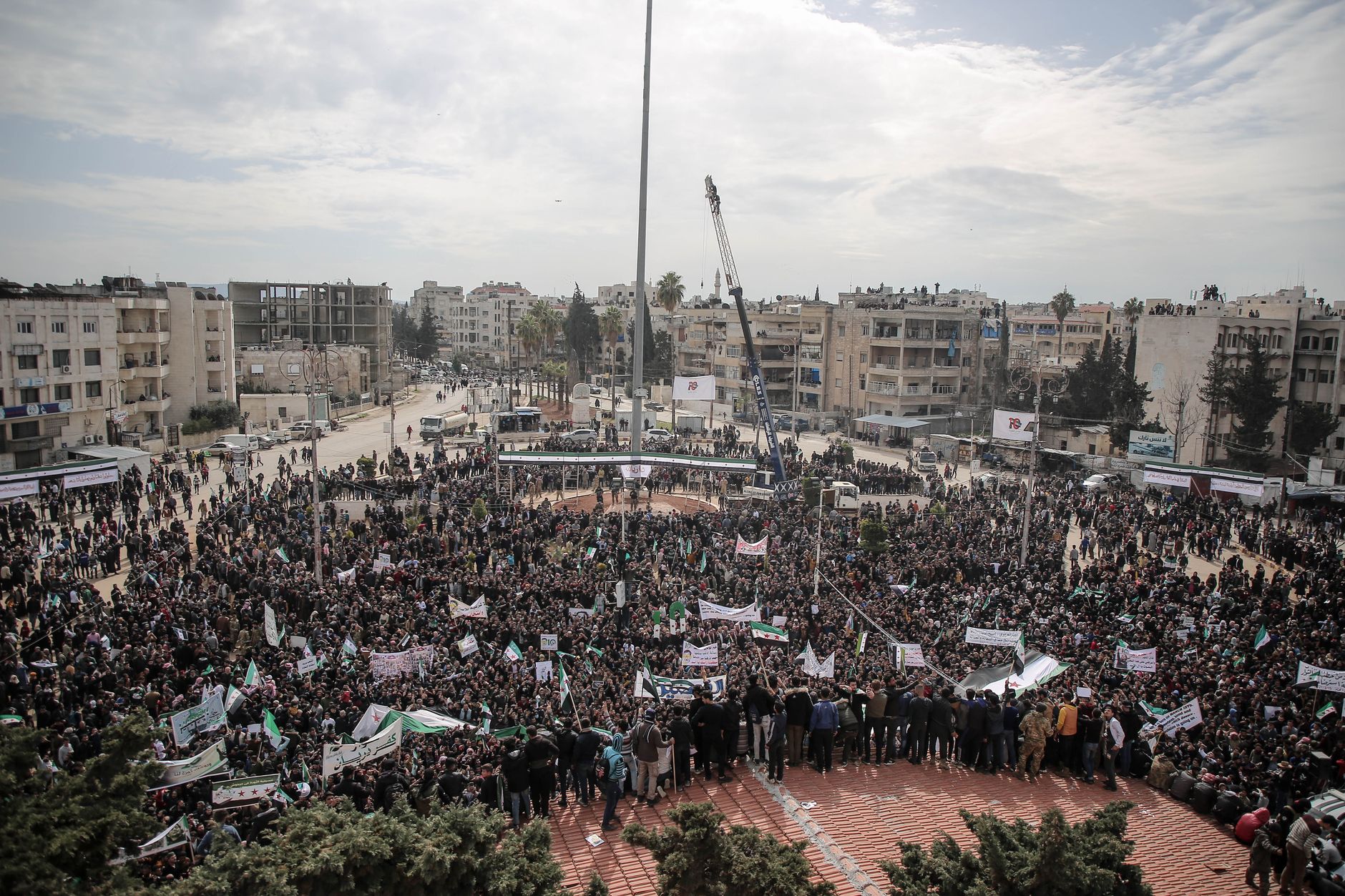
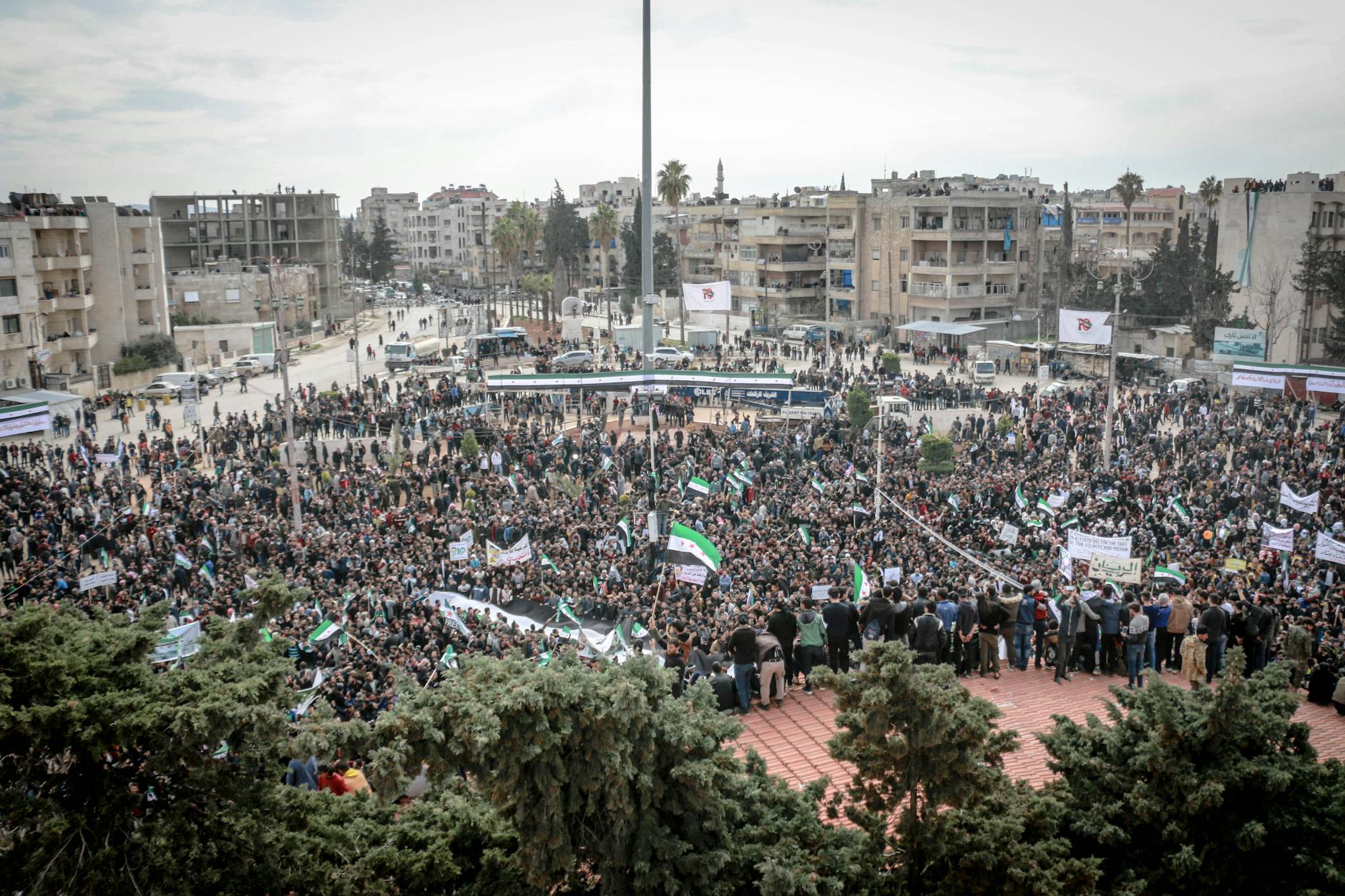
On June 27, 2026, a framework agreement was signed between the governments of Lebanon and Israel, with the United States acting as a key mediator. This pact was reached after months of negotiations, but it quickly ignited protests across Beirut, particularly among supporters of Hezbollah. Demonstrators took to the streets waving flags and expressing their anger at what they perceive as a betrayal, given Israel’s ongoing military operations that have resulted in over 4,200 deaths and mass displacement since March 2026. Protesters like Ali Zaytoun, a resident of the southern suburbs of Beirut, voiced their anguish, recounting the destruction their communities have faced due to Israeli attacks. Zaytoun, who has been displaced multiple times, articulated a common sentiment among protestors: the difficulty of accepting an agreement with a state that they view as responsible for their suffering. The framework agreement, they argue, fails to compel Israel to withdraw its forces from the territories it occupies, rendering it inadequate for a community still reeling from the consequences of war. The context surrounding this agreement isn’t merely historical; it reflects ongoing tensions stemming from Hezbollah’s armed resistance against Israel. With Israeli forces entrenched in what they call a “security zone” extending up to 10 kilometers into Lebanon, the framework’s assertion of Lebanese territorial sovereignty is seen as hollow. As Hezbollah continues to engage militarily with Israel, the precarious balance of power remains critical, making the agreement’s implications especially contentious for those directly affected.
Why It Matters
The significance of the Lebanon-Israel framework agreement extends beyond immediate political disagreements, resonating deeply with the regional geopolitical landscape. This development highlights a broader trend wherein nations embroiled in conflict seek to negotiate peace while simultaneously facing internal dissent. The disparity between the agreement’s intentions and the lived realities of those impacted by the ongoing conflict underscores a persistent challenge in conflict resolution efforts. Moreover, the involvement of the United States as a mediator raises questions about its role in the Middle East. Historically, the U.S. has been seen as favoring Israeli interests, and many critics contend that this bias could undermine the trust necessary for effective mediation. As tensions simmer within Lebanon and across regional borders, the effectiveness of such agreements hinges not just on the signed documents but on the genuine commitment of all parties involved to uphold them. Lastly, the protests in Lebanon illustrate a growing dissatisfaction with political leadership and external intervention. Many Lebanese citizens are wary of agreements that appear to sideline their experiences of loss and suffering. This sentiment reflects a wider disillusionment with both national and international actors, indicating that any peace process must be inclusive and address the historical grievances borne by affected communities.
Impact on Consumers
The recent agreement between Lebanon and Israel carries significant implications for consumers, particularly those in Lebanon. Economic instability is already a pressing concern, and the ongoing conflict exacerbates challenges such as inflation, unemployment, and a shrinking GDP. As people grapple with the immediate repercussions of military actions, the potential for future negotiations to stabilize the economy remains uncertain. In terms of everyday consumer behavior, the unrest can lead to increased prices for essential goods and services, as supply chains are disrupted by both military actions and public protests. Consumers may need to prepare for a volatile market where necessities could become scarce, and costs continue to rise due to the deteriorating economic environment.
- Price Volatility: Consumers should brace for sudden price fluctuations on essential goods. As conflict escalates, supply chains may be disrupted, leading to scarcity and higher costs.
- Increased Demand for Essentials: In uncertain times, there may be a surge in demand for staples like food, fuel, and medical supplies, prompting consumers to stock up as a precautionary measure.
- Economic Uncertainty: Businesses may struggle to maintain operations amidst ongoing protests and military actions. Consumers could face layoffs or reduced services as companies adapt to the turmoil.
BuzzWeave Analysis
The framework agreement between Lebanon and Israel, while heralded by some as a step toward peace, is more likely to exacerbate existing tensions rather than foster reconciliation. The lack of immediate Israeli withdrawal from occupied territories is a glaring omission that could render the agreement ineffective in the eyes of the Lebanese populace. Furthermore, the reliance on U.S. mediation might lead to perceptions of bias, undermining the legitimacy of the process. As the situation evolves, we predict that public dissent in Lebanon will only intensify, potentially leading to greater instability. A lack of genuine progress on issues pertinent to national sovereignty and community safety could catalyze further unrest and complicate future negotiations. Political leaders must acknowledge the voices of their constituents if they hope to restore confidence in a peace process that feels equitable and just. In summary, the road to peace is fraught with complexities, and unless those who have suffered are given a seat at the table, the prospect of a lasting resolution remains a distant dream.
📰 Source: Read original article | Editorially rewritten and analysed by BuzzWeave.