
What Happened?
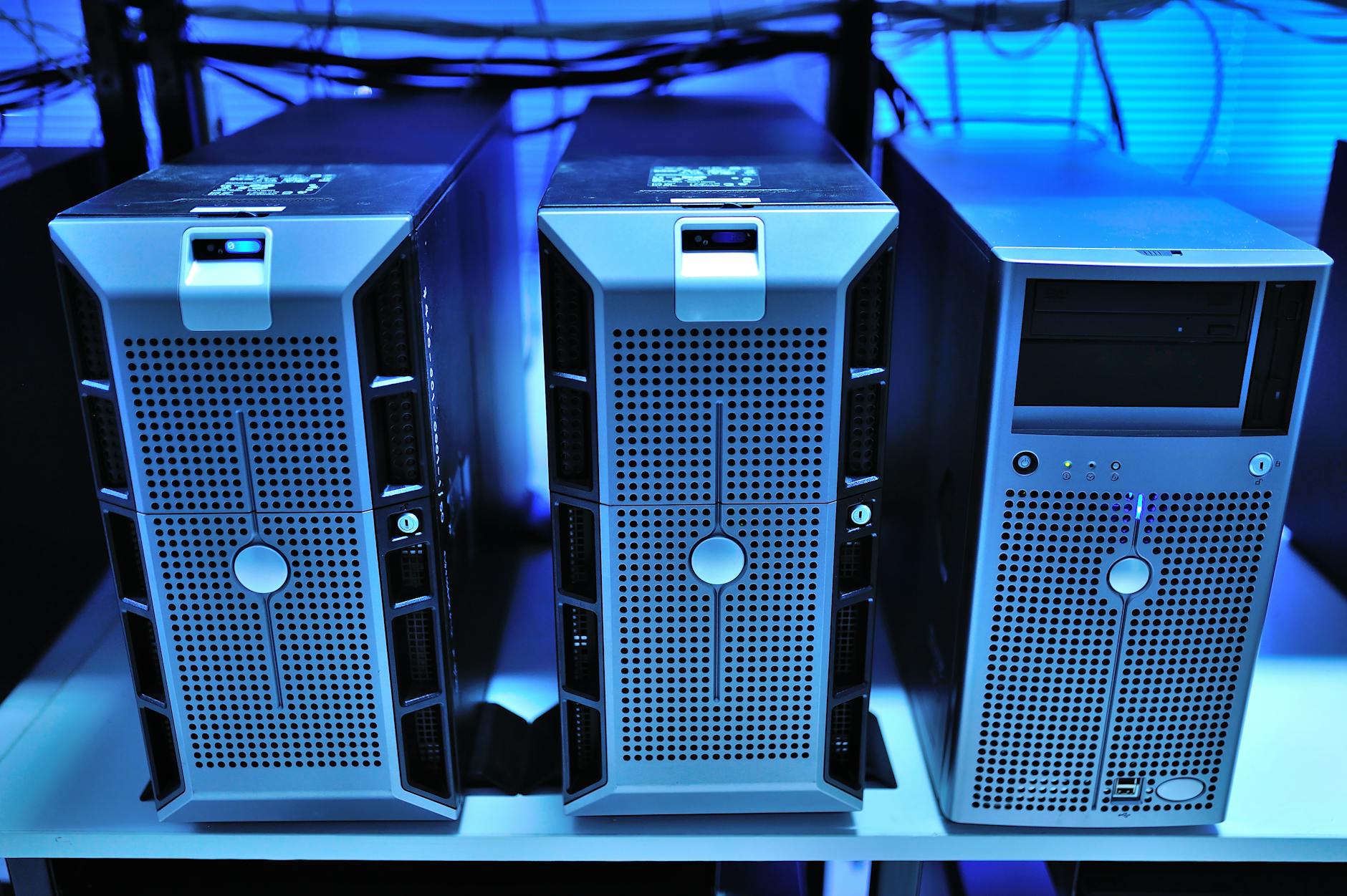
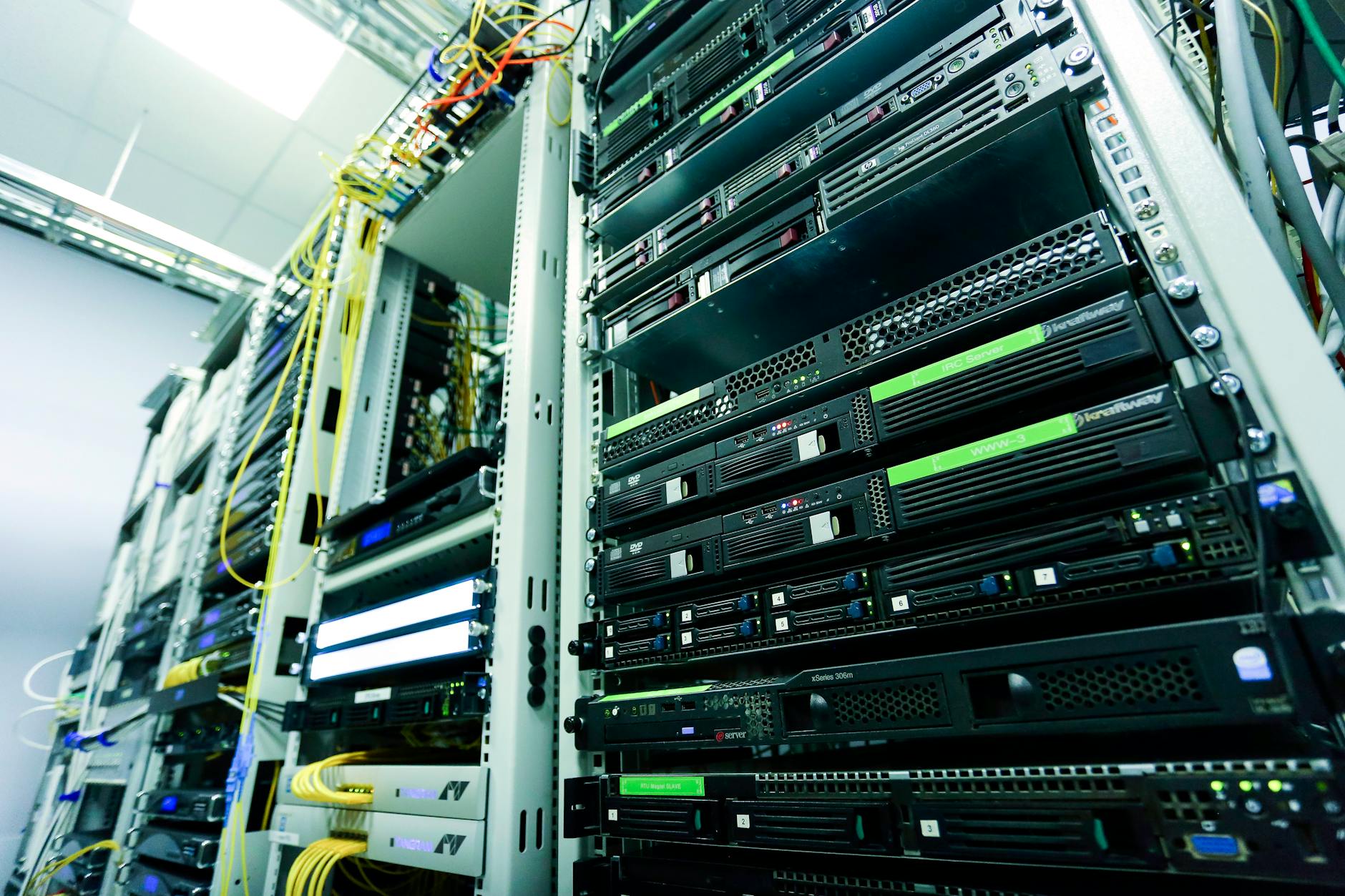
In a significant milestone for global computing, China’s LineShine supercomputer at the National Supercomputing Center in Shenzhen has claimed the title of the world’s fastest supercomputer, marking the first time since 2018 that the US has been dethroned from this prestigious position. LineShine achieved this remarkable feat with a staggering performance of over 2,000 exaflops, which is 20 percent faster than its nearest competitor, the El Capitan supercomputer. Powered by a formidable array of approximately 45,000 LX2 processors, each boasting 304 cores, LineShine demonstrates an innovative design that eschews traditional GPUs, instead leveraging a unique setup that maximizes the capabilities of its CPUs. The implications of this technological victory go beyond mere bragging rights, resonating deeply within the ongoing economic and political landscape. Despite stringent trade restrictions imposed by the US, aimed at curbing China’s access to advanced computing technologies, the Chinese government has demonstrated resilience and ingenuity in overcoming these barriers. By opting for more widely available technology, LineShine not only showcases China’s engineering capabilities but also sends a provocative message to the West about its growing self-sufficiency in high-tech sectors. As the world watches this technological race unfold, the significance of this achievement can’t be understated. The competition between nations to develop cutting-edge supercomputers resembles a high-stakes chess game, with both strategic and economic implications. In this latest round, China has checked the US, raising questions about the future of innovation, collaboration, and competition in the realm of high-performance computing.
Why It Matters
The rise of LineShine is emblematic of broader global trends in technology and geopolitics. Supercomputers are not just tools for scientific research; they are vital assets for national security, climate modeling, and even artificial intelligence advancement. As countries like China continue to invest heavily in their technological infrastructure, the balance of power in global innovation is increasingly shifting. With LineShine’s impressive capabilities, China is positioning itself as a formidable player on the world stage. Moreover, the competition for supercomputing supremacy reflects larger economic strategies. The US’s efforts to restrict access to advanced chips for China have not stifled progress but rather ignited a response that underscores the importance of innovation and self-reliance. China’s ability to engineer a supercomputer that meets and exceeds performance expectations, even without traditional components, highlights a shift towards alternative methods that could redefine high-performance computing. This turn of events also prompts a re-evaluation of the collaborative nature of technology. With nations increasingly prioritizing self-sufficiency, the future of research, development, and shared advancements may be at stake. The implications of these developments extend beyond individual countries to affect industries, economies, and even international relations.
Impact on Consumers
For consumers, the advancements represented by LineShine could manifest in various ways, from improved computational services to enhanced technologies in day-to-day devices. As supercomputers drive innovation in sectors like artificial intelligence and machine learning, consumers may soon experience more sophisticated applications that leverage these capabilities, making technology more intuitive and responsive. Moreover, the implications of this technological rivalry can influence pricing and availability of gadgets and devices, with potential shifts in market dynamics. As countries like China enhance their technological base, consumers around the world might benefit from increased competition, leading to better products at lower prices.
- With enhanced computing power, expect smarter home devices that learn and adapt to your preferences, improving your daily life. As companies harness supercomputers for data processing, they can create more personalized experiences.
- Advancements in AI, driven by breakthroughs in supercomputing, may lead to new applications in health care. Imagine predictive algorithms that could provide early warnings about health issues based on wearable device data.
- The competitive landscape may bring forth innovations that make technology more accessible. As leaders in computing race to develop cost-effective solutions, consumers could see a decrease in prices for advanced technology.
BuzzWeave Analysis
The emergence of LineShine as the world’s fastest supercomputer heralds a new era in global technological competition. As China continues to innovate under constraints, we might witness a paradigm shift that challenges the dominance of traditional tech powers. The strategic implications of this technological race will likely result in increased investment in AI and supercomputing infrastructure worldwide, as countries scramble to assert their capabilities. However, it’s crucial to challenge the notion that a single country can claim monopoly over the future of technology. As nations innovate in different areas, collaboration may still play a vital role. The potential for shared advancements could lead to breakthroughs that benefit humanity as a whole, blurring the lines drawn by geopolitical tensions. In the grand narrative of technology, the story of LineShine serves as a reminder that challenges can spur innovation, prompting nations to rise to the occasion. As we look to the future, one thing remains certain: the race for technological supremacy is far from over, and the results will shape our world in ways we can only begin to imagine.
📰 Source: Read original article | Editorially rewritten and analysed by BuzzWeave.