
The Big Picture
Venezuela has long been a country mired in crisis, facing economic turmoil and political instability that have exacerbated vulnerabilities. The recent earthquakes, hitting with a magnitude of 6.1 and 5.8, have struck particularly hard as the nation grapples with inadequate infrastructure and emergency response systems. These natural disasters add another layer of difficulty for a population already struggling with food shortages and a healthcare system on the brink of collapse. As the tectonic plates shifted beneath the earth, seismic events became the latest challenge for Venezuelans, who have been enduring ongoing humanitarian issues since the late 2010s. With thousands displaced and homes destroyed, the earthquakes serve as a stark reminder that nature’s fury can amplify existing struggles. The international community watches closely, evaluating humanitarian needs while offering assistance to locals attempting to pick up the pieces. The dynamics of this situation illustrate how vulnerable communities can be exposed to multiple threats at once. As families gather in makeshift shelters, they rely on each other to find solace, while also hoping for government intervention and global support. Amidst the chaos, the resilience of the Venezuelan spirit shines through as they continue to push for recovery and rebuilding efforts in the face of despair.

Breaking It Down
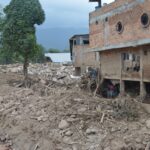
The dual earthquakes struck Caracas on June 25, 2026, leaving a trail of devastation in their wake. Rescue operations quickly mobilized, with local authorities supported by international teams working tirelessly to locate trapped individuals beneath the debris of collapsed buildings. As rescue workers continue to sift through the rubble, the hope among families is palpable, with many believing that their loved ones may still be alive. Reports indicate that over 15,000 people have been affected, with hundreds unaccounted for as the search and rescue efforts extend into the second week. Many buildings, some deemed structurally unsound even before the quakes, crumbled under the intense seismic activity, leading to tragic loss of life and property. The urgency of these operations is underscored not only by the number of lives at stake but also by the dwindling supplies of food and water for those displaced. Despite the overwhelming odds, stories have emerged of miraculous rescues, where survivors have been found days after the disaster. Families huddle together, sharing stories of hope and despair as they await updates from rescue teams. The media continues to report on these heart-wrenching moments, reminding us of the human capacity for resilience even amidst overwhelming tragedy.
Who Is Affected?
The consequences of the earthquakes are felt across various strata of Venezuelan society, deeply impacting families, communities, and aid organizations alike. Local families are facing not only the immediate need for rescue but also the long-term challenges of rebuilding their lives from scratch. The emotional toll of uncertainty weighs heavily on those waiting for news of missing loved ones.
- **Displaced Families:** Many families have lost their homes and are now living in temporary shelters. They face challenges such as food insecurity and lack of access to basic medical care.
- **Emergency Responders:** Search and rescue teams are working under extreme pressure and physical strain. They not only confront the dangers of unstable structures but also the emotional burden of potentially not finding survivors.
- **Local Businesses:** Many small businesses have been destroyed, leaving owners without income and impacting the local economy. The loss of jobs contributes to the ongoing economic crisis that the country is already experiencing.

Our Take
The recent earthquakes in Venezuela serve as a critical reminder of the importance of disaster preparedness, particularly in nations already facing significant challenges. As the rescue operations continue, the world is watching, hoping for more stories of survival to emerge. This tragedy underscores the necessity of international support in humanitarian crises, highlighting the interconnectedness of global communities. Looking ahead, we must consider how the Venezuelan government and international organizations will respond not just to the immediate needs but also to the long-term recovery. Rebuilding infrastructure and providing psychological support for affected families will be crucial in the coming months. Addressing these concerns holistically could pave the way for a more resilient Venezuela. In the face of such adversity, it is vital that we do not forget the individuals behind the statistics. As the world rallies to support Venezuela, we must advocate for sustained attention and resources to help this nation heal and rebuild, ensuring that hope continues to persevere even amidst the rubble.
📰 Source: Read original article | Editorially rewritten and analysed by BuzzWeave.
Related posts:
 Google Finance Unveils First Mobile App: A New Era for Financial Tracking
 FIFA World Cup 2026: Key Matches and Predictions for Saturday
 Haiti’s Long-Awaited World Cup Journey: Celebration or Disappointment?
 FCC Proposes Major Cuts to E-Rate Program for Schools
 New Israel-Lebanon Framework: A Fragile Path to Peace?
 Venezuela’s Dual Earthquakes: A National Emergency Unfolds