What Happened?
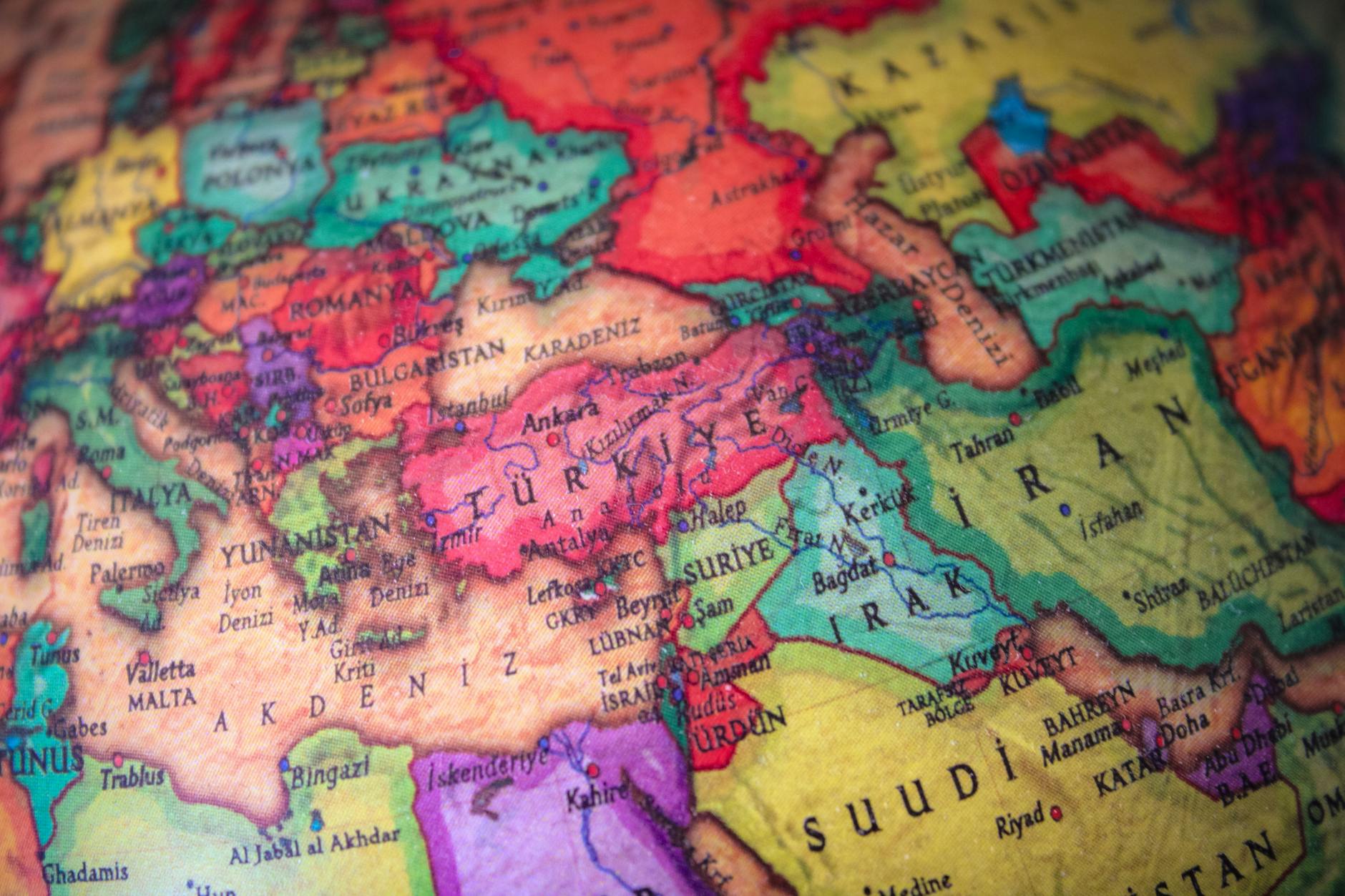
Iran’s chief negotiator, Mohsen Ghalibaf, recently stated that the US and Iran have the potential to collaborate on the critical issue of the Strait of Hormuz. During his return from initial talks in Switzerland, Ghalibaf stressed that while the conditions in the Strait will never revert to their pre-war state, Iran remains committed to adhering to international law. This statement marks a notable change in Iran’s diplomatic approach, reflecting a willingness to engage constructively with the United States, particularly in a region that is central to global oil supply and commerce.
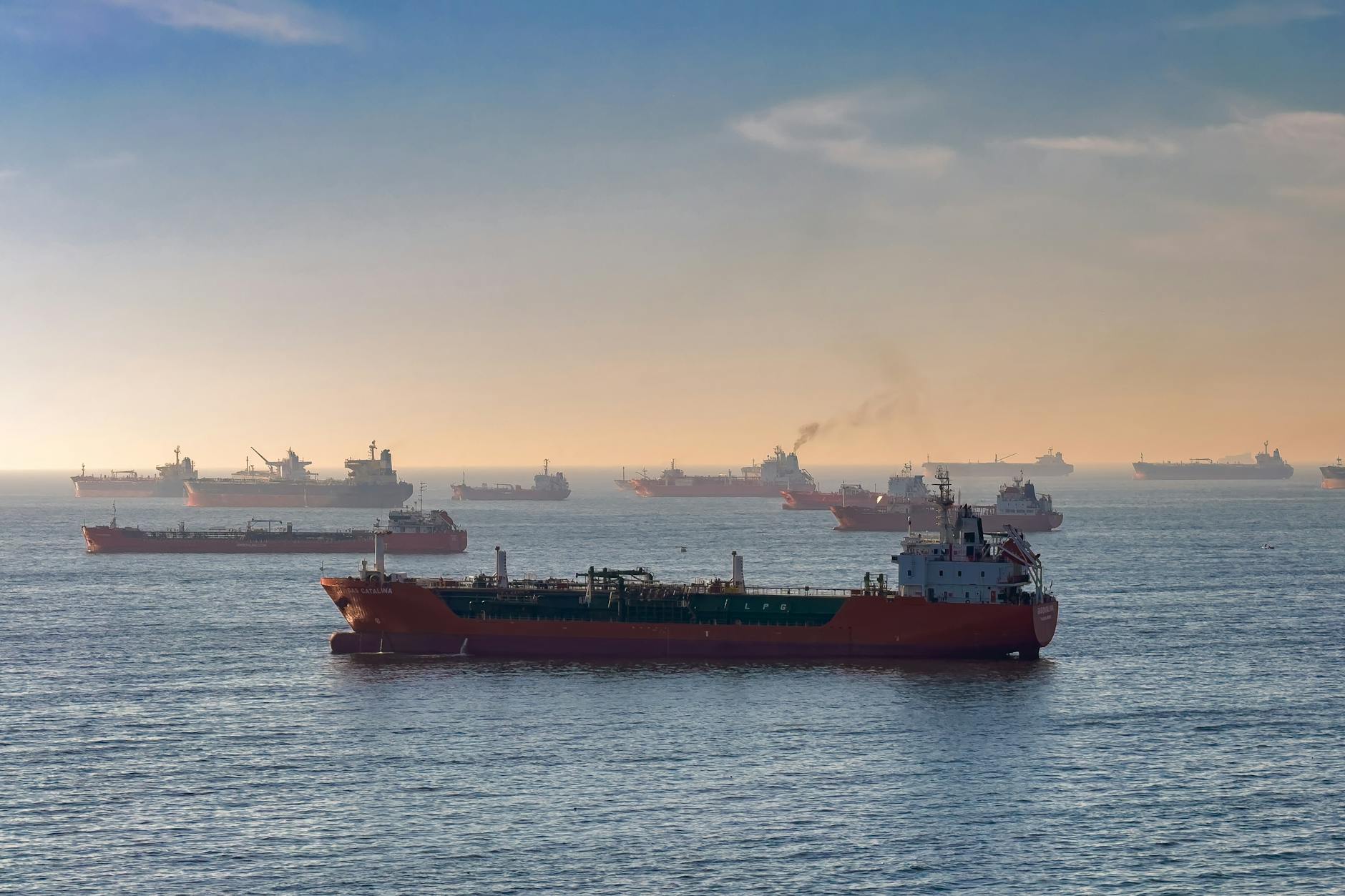
The Strait of Hormuz is a significant waterway through which approximately 20% of the world’s oil supply passes daily. The ongoing tensions in this region have historically led to volatile markets and security concerns, with any disruptions having far-reaching implications for global trade and energy prices. Ghalibaf’s remarks underscore a potential recalibration of relations that could stabilize this crucial conduit and foster economic cooperation between the two nations, which have been adversaries for decades.
As discussions continue, the implications of such collaboration could redefine geopolitical strategies not just for Iran and the US, but also for neighboring countries that find themselves in the crossfire of these negotiations. Observers are keenly watching how these developments unfold, especially as energy markets are still reeling from fluctuating prices and supply chain disruptions.
Why It Matters
The potential reopening of the Strait of Hormuz with collaborative US-Iran efforts is emblematic of a broader shift in international relations. Historically fraught with conflict, the Strait has been a flashpoint for military and economic tensions, with skirmishes often shaking the global oil markets. Any movement towards diplomatic engagement could signal a new era of stability in a region often seen as a geopolitical chessboard.
Moreover, this development resonates within the context of rising global energy demands and the shift towards sustainable energy alternatives. As countries pivot towards greener energy solutions, maintaining stability in traditional energy routes remains crucial to ensure a smooth transition. The consequences of this cooperation could therefore ripple across multiple sectors, influencing everything from oil prices to renewable energy investments.
Furthermore, the West’s response will play a significant role in determining the feasibility of this partnership. A favorable reaction could pave the way for broader negotiations involving sanctions, military presence, and trade, effectively changing the landscape of Middle Eastern diplomacy. The implications reach beyond just Iran and the US; they could set a precedent for conflict resolution strategies in similar geopolitical hotspots.
Impact on Consumers
For consumers, the implications of a stabilized Strait of Hormuz are multifaceted. A decrease in tensions could lead to lower oil prices, providing relief to households and businesses alike struggling with inflationary pressures. As energy prices stabilize, consumers can expect a more predictable cost structure in their utility bills and transportation expenses.
In addition, the potential normalization of relations between Iran and the US may open up new markets and enhance competition in the energy sector. This scenario could lead to greater availability of fuel options, promoting fair pricing and innovative alternatives for consumers worldwide.
- Lower energy costs: A reduction in geopolitical tensions often leads to stability in oil prices, which translates directly to lower costs for consumers at the pump.
- Greater product availability: Improved relations may spur trade agreements that allow for more energy products to flow into global markets, increasing consumer choice.
- Enhanced economic stability: With a more stable energy market, consumers can better forecast their expenses, leading to more informed financial decisions.
BuzzWeave Analysis
The current diplomatic overtures between the US and Iran present a unique opportunity to reshape not just bilateral relations but also the broader geopolitical landscape. As Ghalibaf emphasizes a commitment to international law, the stage is set for a potential thaw in relations that could mitigate the risks of military confrontation in the region. Such a shift could encourage other nations to adopt a more conciliatory approach in their dealings with adversarial counterparts, promoting global stability.
Looking ahead, it is imperative to challenge the prevailing assumption that only confrontation can yield results in international relations. Instead, the proactive engagement we see today could signal a paradigm shift toward diplomacy and collaboration. If both parties can navigate their complex histories and emerge with a mutual understanding, it may open the door to further negotiations on critical issues like nuclear compliance and regional security.
In essence, the future of the Strait of Hormuz may not just depend on the actions of Iran and the US but could redefine how nations interact in a world increasingly driven by interdependence rather than isolation. Cooperation may well be the key to unlocking a more peaceful and prosperous future for all involved.
📰 Source: Read original article | Editorially rewritten and analysed by BuzzWeave.