
What Happened?
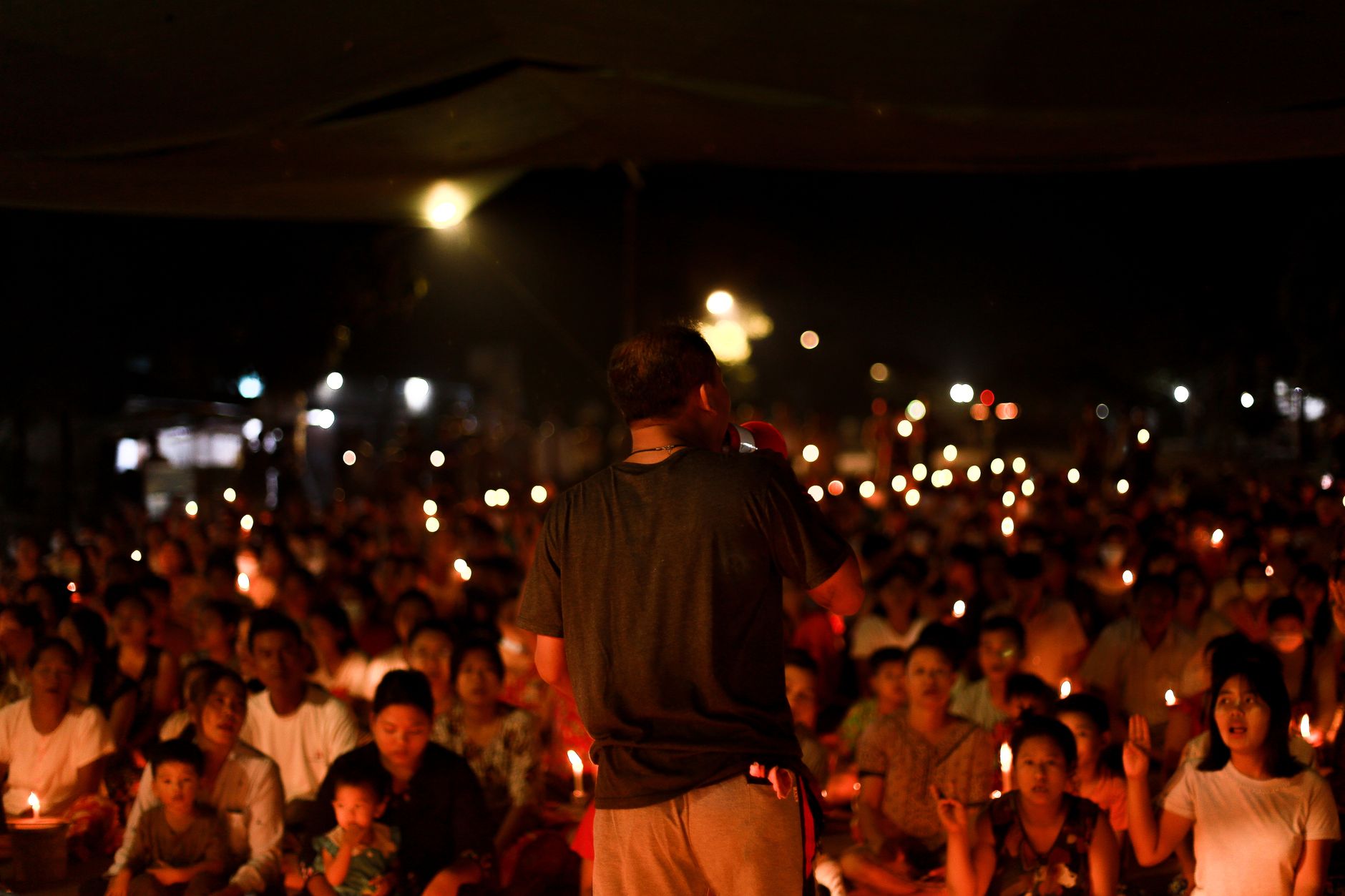
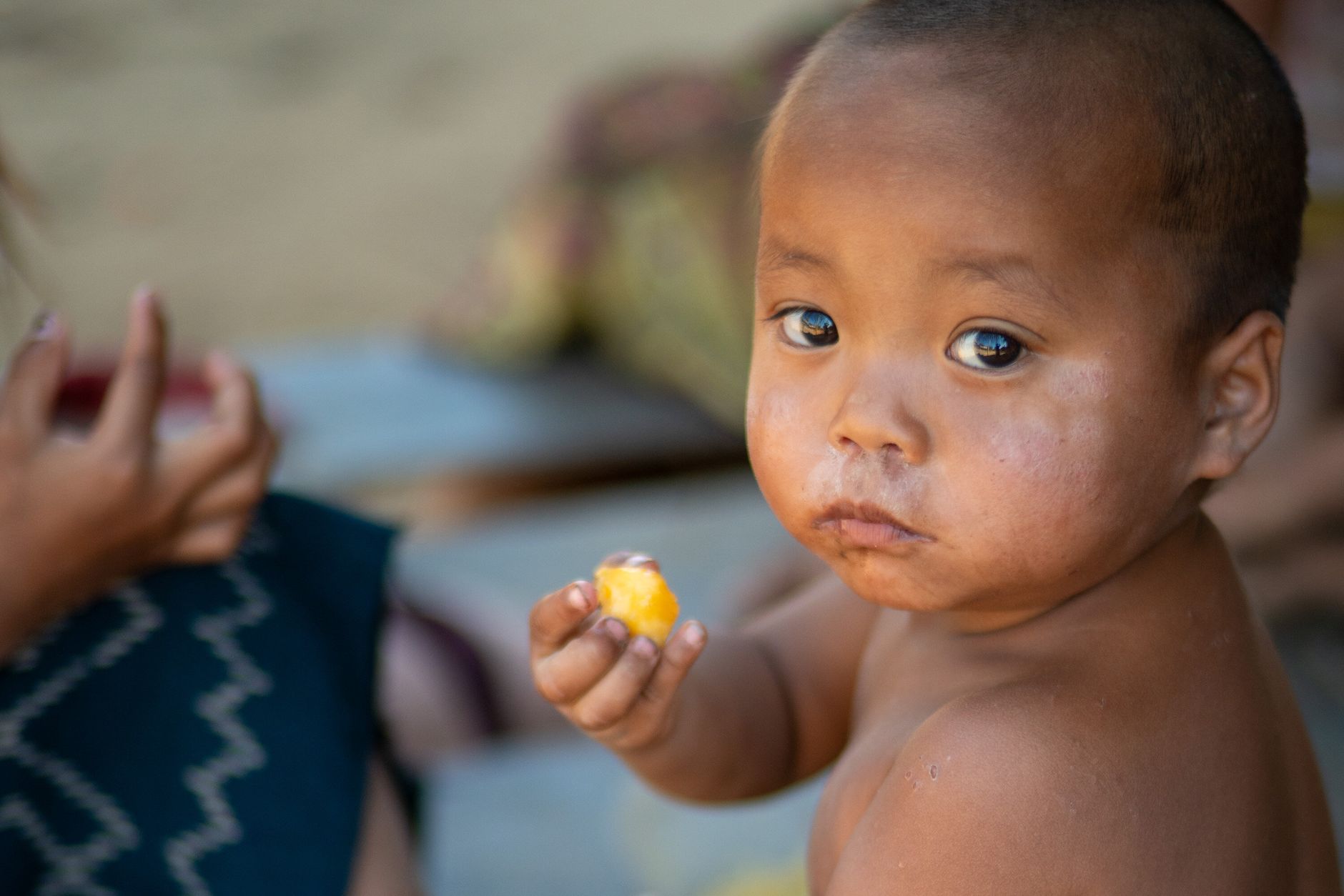
Amidst the echoes of gunfire and the haunting silence of abandoned villages, Myanmar’s civil war has spiraled into an unprecedented humanitarian disaster. Over 1.3 million people have been displaced since the military coup in February 2021, fleeing from relentless violence that has engulfed their homes. In the Sagaing region, families live in makeshift shelters, their lives reduced to a daily struggle for survival, while reports detail the heart-wrenching stories of children caught in the crossfire of a conflict that seems to have no end in sight.
As clashes intensify, the military’s brutal tactics have escalated, with airstrikes targeting civilian areas and the unlawful detention of suspected opponents becoming all too common. The National Unity Government—a shadow government formed by ousted lawmakers—now fights not just for political power, but for the very essence of existence for the Myanmar populace. The world watches as Myanmar transforms into a landscape of despair, often overshadowed by other pressing global crises.
Yet, the global response to this unparalleled suffering remains muted. While Ukraine garners significant international support, Myanmar’s plight lingers in the shadows, where humanitarian aid is desperately needed but often delayed or blocked by military forces. The cries of the people of Myanmar call out for recognition, pleading for the world to take notice of their struggle and stand in solidarity against tyranny.
Why It Matters
The situation in Myanmar is emblematic of a broader trend where humanitarian crises receive uneven attention on the global stage. In a world where social media amplifies the urgency of conflicts, Myanmar’s story, filled with deep-rooted historical grievances and a fight for democracy, risks fading into obscurity. This imbalance raises critical questions about our collective moral responsibility and the factors that dictate which humanitarian crises capture public attention and action.
As governments and organizations mobilize resources for wars that dominate headlines, countless others, like Myanmar, fall into a chasm of neglect. The international community’s failure to effectively address the ongoing suffering in Myanmar not only prolongs the war but also sends a dangerous message: that some lives are worth fighting for more than others. This selective compassion can have dire repercussions for global stability and the principle of human rights.
Moreover, the implications of this conflict extend beyond borders. As Myanmar remains embroiled in chaos, the potential for regional destabilization increases, affecting neighboring countries and international relations. A robust response is not just a moral duty; it is essential for maintaining peace and security across Southeast Asia.
Impact on Consumers
The war in Myanmar has profound implications for consumers, particularly in sectors reliant on the country’s natural resources and labor force. As sanctions and international isolation increase, consumers may face rising prices and shortages of certain goods that originate from Myanmar. Ethical consumption becomes a pressing concern, as consumers may find it challenging to navigate the complexities of supply chains that could be linked to human rights violations.
Additionally, businesses must grapple with the reputational risks that come with sourcing from conflict-affected regions. The growing demand for transparency in supply chains means that organizations will need to take a hard look at their practices, balancing profit with ethical responsibilities in the face of humanitarian crises.
- Awareness is crucial for consumers who wish to align their purchasing habits with their values. Understanding where products come from can help ensure that they do not inadvertently support oppressive regimes.
- Ethical brands are likely to gain traction as consumers look for companies that actively support humanitarian efforts. Shopping consciously can make a tangible difference in the lives of those affected by war.
- The potential for shifts in market dynamics also means that consumers will need to stay informed about changes in product availability and pricing, especially in sectors like agriculture and textiles that are heavily impacted by conflicts.
BuzzWeave Analysis
As the world turns its gaze to more prominent conflicts, one cannot help but wonder how long Myanmar can endure under the weight of such suffering. The silence surrounding this humanitarian catastrophe is a call to action, urging individuals and organizations alike to amplify the voices of those caught in the crossfire. It is time to challenge the assumption that only high-profile conflicts deserve our attention and resources; every life lost in the shadows of neglect is a loss that echoes far beyond its borders.
Looking ahead, it’s essential to anticipate a potential shift in public consciousness regarding Myanmar. Grassroots movements advocating for justice and humanitarian support could gain momentum, spurred by digital platforms that connect global citizens to local struggles. This evolution may very well redefine how the world engages with humanitarian crises, demanding accountability from both governments and corporations.
In a moment where humanity is tested, may we remember: the true measure of our civilization is not just in our ability to respond to crises that are easy to see, but in our willingness to confront those that hide in plain sight.
📰 Source: Read original article | Editorially rewritten and analysed by BuzzWeave.