
What Happened?
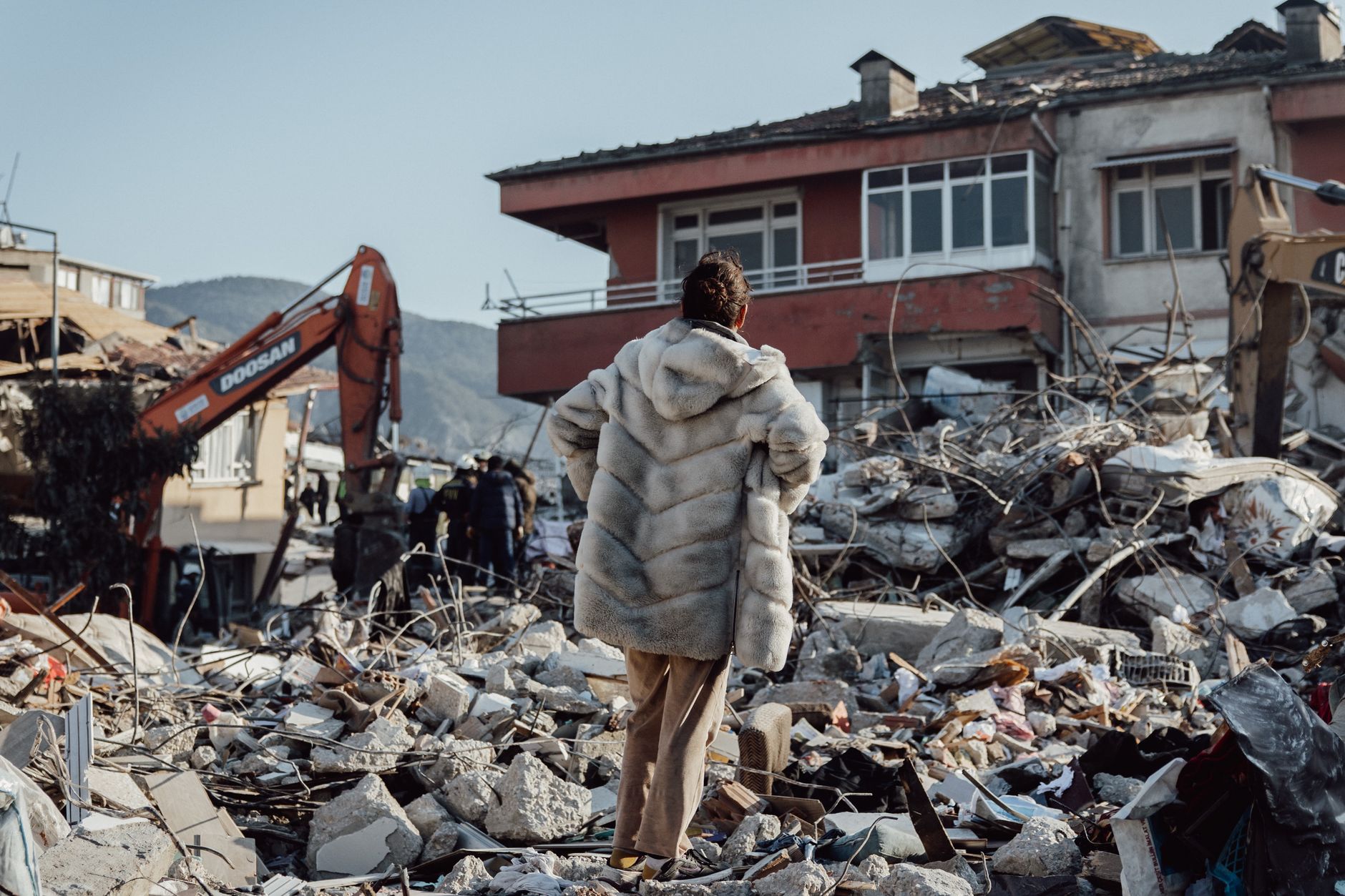
On June 25, 2026, Venezuela experienced two devastating earthquakes, measuring 7.2 and 7.5 on the Richter scale, within a matter of hours. The quakes struck the northwestern region, an area already grappling with economic instability and inadequate infrastructure. Estimates suggest that hundreds of individuals are still trapped beneath the rubble of residential and commercial buildings in the cities of Maracaibo and Mérida, where structural damage is extensive.
Emergency services have been working around the clock to locate and rescue those caught in the debris. Local authorities have reported at least 200 confirmed fatalities, with that number expected to rise as search and rescue operations continue. The government has declared a state of emergency, prompting international aid organizations to dispatch teams and resources to support local efforts.
Rescue workers, equipped with specialized tools and canines, are navigating through the wreckage while the threat of aftershocks complicates their efforts. Many impacted areas have limited access to water and electricity, intensifying the urgency for humanitarian assistance. As news of the disaster spreads, global attention has turned to Venezuela, highlighting the need for immediate support and long-term recovery plans.
Why It Matters
The twin earthquakes in Venezuela underscore the critical vulnerabilities faced by nations with fragile infrastructure, especially in regions prone to seismic activity. In a country already suffering from severe economic crises, the aftermath of such natural disasters can exacerbate existing challenges, hindering recovery efforts and increasing the humanitarian toll. The situation serves as a stark reminder of how interconnected our world is; the humanitarian impacts will undoubtedly reverberate beyond Venezuela’s borders.
International response is vital not only for immediate disaster relief but also for long-term rebuilding efforts. The World Bank estimates that the reconstruction costs could exceed billions of dollars, further straining Venezuela’s already depleted economy. Developing a comprehensive recovery plan will require coordinated efforts from multiple governmental and non-governmental organizations to address both immediate needs and structural weaknesses.
Moreover, this calamity might catalyze discussions on global disaster preparedness and climate change implications in vulnerable regions. As weather patterns shift and seismic predictions evolve, understanding and mitigating these risks becomes increasingly crucial for countries worldwide. The events in Venezuela could pave the way for policy changes and international cooperation in disaster response strategies.
Impact on Consumers
The repercussions of the earthquakes in Venezuela extend beyond immediate humanitarian concerns; they will inevitably impact consumers in various ways. Basic commodities, already scarce due to economic distress, will likely see increased prices as supply chains are disrupted. Moreover, the urgency for goods and services will elevate demand, further straining access to necessities in both local and global markets.
Internationally, the disaster may provoke a rise in donations and aid, which can shift consumer sentiment towards supporting humanitarian causes. As people become more aware of the crises affecting nations like Venezuela, there could be an uptick in charitable giving and a renewed interest in socially responsible brands. These changes highlight the power of consumer choices in shaping economic recovery.
- Higher Prices for Essentials: As infrastructure is damaged and supply chains are disrupted, expect an increase in prices for essential goods. Consumers may face difficulties accessing basic items, while local markets struggle to meet heightened demand.
- Heightened Awareness of Global Issues: The crisis in Venezuela serves as a reminder of the challenges faced by many around the world. Consumers may become more inclined to support brands engaged in social responsibility and humanitarian efforts.
- Increased Charitable Giving: As the humanitarian crisis unfolds, there may be a surge in donations and support for relief organizations working in the affected areas. Individuals often feel a sense of urgency to contribute during such disasters, impacting overall charitable trends.

BuzzWeave Analysis
The ongoing disaster in Venezuela may trigger not just immediate rescue efforts but also a long-term shift in how we approach disaster preparedness and response globally. As nations grapple with the impacts of climate change and increasing natural disasters, the lessons learned from Venezuela could reshape international aid frameworks. We must recognize that proactive measures, including better infrastructural support, could save lives in future crises.
One assumption that must be challenged is the notion that aid is always sufficient to address the aftermath of disasters in developing nations. The reality is more complex; without sustainable, long-term planning and investment in local economies, recovery efforts may fall short. The world must engage in a holistic dialogue that aligns immediate relief with strategic investments in resilience.
As the dust settles on this tragic event, one thing is clear: the future of humanitarian efforts will rely on our collective ability to learn from these instances and build a more resilient world. Let us hope that Venezuela’s struggle spurs the global community to act, and not merely react, to the growing crises that define our time.
📰 Source: Read original article | Editorially rewritten and analysed by BuzzWeave.